Finding the Right Oklahoma City Electrician for Quality Electrical Solutions
Experienced Electrician for Safe and Efficient Electrical Solutions
Hiring a qualified electrical professional is a critical decision for both commercial and residential properties. Their expertise guarantees adherence to local regulations, advancing efficiency and safety in electrical systems. Neglecting electrical issues can result in significant dangers, including fires and shocks. Comprehending the function of a licensed electrician can clarify why their services are indispensable. What factors should one evaluate when choosing the appropriate specialist for specific needs?
Frequent Electric Problems You Must Not Disregard
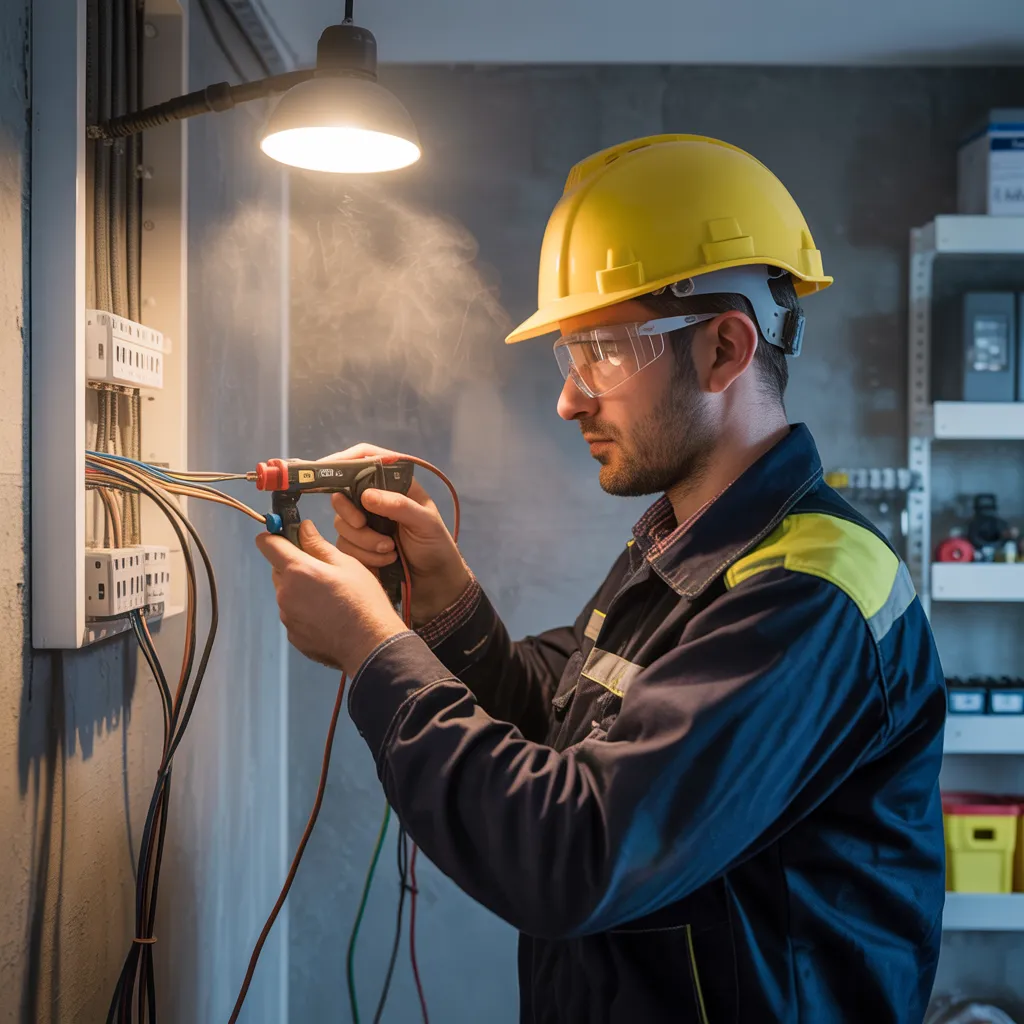
Many property owners may miss common electrical problems, but tackling these problems quickly is essential for both safety and effectiveness. Flickering lights often indicate a wobbly bulb or defective wiring, which can develop into more dangerous problems. Similarly, frequent breaker trips indicate an excessively loaded system or potential electric shorts, both of which require immediate attention. Overheating outlets can pose fire risks, suggesting worn-out wiring or incompatible devices. Homeowners should also be wary of unusual electrical smells, as they may indicate smoldering insulation or other serious issues. Finally, if outlets or switches are warm when touched, this can signal a serious electrical fault. Early detection of these issues can help avoid accidents and expensive repairs, ensuring a more secure home. By prioritizing the resolution of these common electrical issues, homeowners can maintain the efficiency and safety of their electrical systems.
Why Retaining a Qualified Electrician Is Important
Hiring a certified electrical professional is crucial for maintaining adherence with electrical codes, which are designed to safeguard property and lives. Their expertise not only ensures proper installation and repairs but also emphasizes safety in potentially hazardous situations. By engaging a certified expert, homeowners can prevent costly mistakes and enhance the longevity of their electrical systems.
Observance of Power Guidelines
Making sure of conformity with electrical standards is important for the safety and functionality of any electrical installation. Licensed electricians hold the know-how needed to handle the complex regulations that govern electrical work. These codes are created to protect individuals and belongings from electrical risks, ensuring that installations are protected and trustworthy. Failure to follow these codes can bring about serious consequences, including electrical fires, equipment breakdown, or high-cost repairs. Also, many municipalities require permits for electrical work, which licensed electricians can seamlessly obtain. By contracting a licensed professional, homeowners and businesses can ensure that their electrical systems meet all required standards, thereby creating a safer environment and improving the longevity of the installation. Compliance is not merely a legal duty; it is a crucial part of responsible electrical work.
Expertise And Safety Assurance
The proficiency of a qualified electrical technician constitutes an integral role in preserving the safety and reliability of electrical networks. Their rigorous preparation and proficiency furnish them to diagnose and address intricate complications related to electrical systems, minimizing risks stemming from faulty wiring or inadequate installations. Licensed electrical experts conform to stringent operational safety measures, substantially reducing the likelihood of accidents or code violations. In addition, they possess an understanding of local and national electrical codes, which ensures compliance and shields landowners from potential legal liabilities. By hiring a licensed electrician, individuals feel certain that their electrical concerns are met with precision, fostering a fortified dwelling. In closing, this investment in professional expertise provides reassurance and long-term savings in servicing and fixes.
What You Need to Grasp About Local Electrical Codes
Knowing local wiring standards is important for supporting safety standards and legal adherence in any electrical work. These codes not only fluctuate by region but also outline vital protective measures that must be followed through. A licensed electrician is thoroughly acquainted with these guidelines, making their experience vital for any assignment.
Significance Of Electrical Standards
Adhering to electrical codes serves as a essential structure for protection and performance in electrical installations. These codes, established by local and national authorities, guarantee that electrical infrastructure are designed and installed to minimize hazards such as electrical fires, shocks, and equipment failures. Adherence to these codes promotes uniformity in construction practices, facilitating inspections and maintenance. Furthermore, electrical codes are regularly revised to reflect advancements in technology and safety practices, making it crucial for electricians to remain current. By adhering to these codes, certified electricians not only protect lives but also enhance the durability and dependability of electrical systems. In the end, the importance of electrical standards is paramount, as they serve a critical function in safeguarding both people and property.
Municipal Code Variations Broken Down
While circuit standards formulate a foundational standard for safety, local variations often express the unique requisites and conditions of designated communities. These local codes may consider factors such as weather type, density levels, and historical infrastructure. For example, zones with difficult climates may have stricter guidelines for outdoor installations, while locations with historic structures might require special considerations for retrofitting. Additionally, local authorities may implement codes to promote energy efficiency or sustainability, aligning with community ambitions. Recognizing these variations is vital for property owners and builders, as compliance guarantees not only safety but also the persistence of power networks. In conclusion, engaging with a certified electrician familiar with area codes is imperative for successful project completion.
Compliance And Safety Standards
How can homeowners guarantee their electrical installations comply with safety standards? Understanding regional electrical regulations is vital for confirming adherence and protection. These codes are established to safeguard both buildings and people from electrical hazards. Homeowners should speak with licensed electricians who are familiar with these requirements, as they vary by region and may change over time. Routine checks can help detect possible problems before they turn into major issues. Additionally, acquiring the required authorizations before starting any electrical work is essential, as this ensures that the installation is reviewed and meets all local standards. By remaining knowledgeable and working with experts, homeowners can ensure their electrical systems are both safe and efficient, minimizing the risk of accidents and enhancing overall functionality.
Finding the Best Qualified Electrician for Your Undertaking
Finding the right experienced electrical contractor for a project can greatly impact its safety and success. Persons should begin by researching electricians with valid licenses and insurance, verifying they adhere to local regulations. Recommendations from loved ones, peers, or digital reviews can furnish insights into a contractor's trustworthiness and service quality.
It's imperative to review the electrician's proficiency in equivalent undertakings. A proficient electrician may be more adept at executing designated responsibilities, such as domestic electrical systems or enterprise solutions. Additionally, collecting numerous proposals can enable in recognizing standard costs and the extent of services delivered.
Communication competencies are important; effective electricians need to be able to communicate issues clearly try this and answer any questions. Lastly, verifying warranties on work done can offer peace of mind, assuring that any future concerns will be dealt with. By thoughtfully considering these factors, individuals can pick an electrician who fits their project needs.
Rewards of Ongoing Audits by Certified Electricians
What benefits can routine assessments by licensed electricians offer homeowners and businesses? Routine checks guarantee that electrical systems function safely and efficiently, minimizing the risk of hazards such as electrical fires or equipment failures. Licensed electricians possess the expertise to identify potential issues before they escalate, allowing proactive maintenance and avoiding costly fixes. Moreover, these inspections help ensure adherence with local codes and regulations, safeguarding against legal exposure.
Furthermore, regular evaluations can boost energy efficiency by spotting outdated or faulty wiring and appliances, consequently decreasing energy bills. Homeowners and businesses can also take advantage of improved reliability of electrical systems, minimizing downtime and disruption. By putting money into routine inspections, property owners can increase the lifespan of their electrical systems, maintaining long-term performance and safety. Overall, regular inspections by licensed electricians provide peace of mind, knowing that electrical systems are in peak condition.
Comprehending the Investment Required for Selecting an Electrician
Grasping the costs related to contracting an electrician is essential for homeowners and businesses alike, notably after recognizing the value of regular inspections. Various components influence these fees, including the complexity of the job, the electrical specialist's qualifications, and area-based pricing variations. Typically, electrical specialists assess hourly rates or set fees for specific services. Per-hour rates can range from $50 to $150, based upon the electrical specialist's qualifications and the job's pressing nature.
In addition, materials and permits may contribute to the total costs. For routine tasks, such as mounting fixtures or updating outlets, costs can be predictable. Yet, sudden repairs or extensive rewiring can substantially raise expenses. Property owners and commercial entities should also consider potential long-term savings from engaging certified contractors who ensure work meets safety requirements. In summary, grasping these expenses can assist with making informed decisions and planning finances efficiently for electrical requirements.
Frequently Common Questions
What's the Proper Method to Check an Electrician's Licensing and Credentials?
To validate an electrician's certifications and credentials, one should contact the local licensing board, examine state or provincial regulations, and access online databases to verify their qualifications and any potential disciplinary actions.
What Credentials Ought to I Identify in a Registered Electrician?
When selecting a licensed electrician, individuals should investigate necessary credentials, experience in specific electrical tasks, comprehension of applicable codes, comprehensive insurance, and positive customer reviews to guarantee quality and reliability in their technical services.
Is it Possible I Execute Electrical Tasks Personally if I Own Skill?
Expertise is valuable, yet performing electrical work without proper licensing and permits is commonly inadvisable. Local requirements often require credentialed experts for safety, compliance, and reliability, confirming that all work meets necessary standards.
What Safety Measures Should I Take During Electrical Work?
Throughout electrical projects, one must always cut off the power, work with insulated tools, wear rubber-soled shoes, and guarantee proper ventilation. Additionally, employing personal protective equipment and following local codes strengthens safety and minimizes risks considerably.
How Do I Prepare My House for an Electrician Appointment?
Preparing for an appointment with an electrician demands that homeowners clear out work spaces, guarantee straightforward entry to electrical panels, gather important paperwork, and raise particular problems or issues beforehand to facilitate efficient service and communication.